

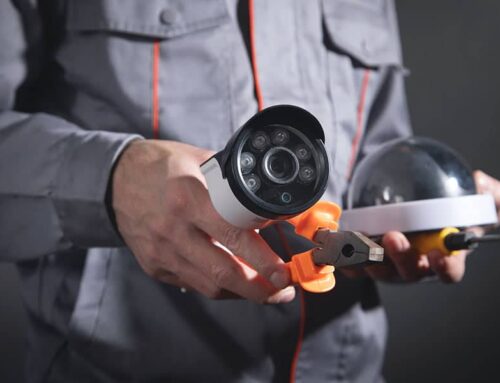
It’s a straightforward trade-off: you invest in a security system, and your insurance provider rewards that reduced risk with a discount.
This is becoming an increasingly popular way for Perth homeowners to proactively manage both their household safety and their budgets. Read on as we explain how the process works, what factors influence premiums, and practical steps to bring down your costs by choosing reliable home security solutions.
Why Insurers Care So Much About Security
Insurance is all about risk. Companies calculate the likelihood of a claim — whether it’s due to a break-in, fire, or other damage — and set their premiums accordingly. A home with a monitored security system presents a much lower risk profile.
Think about it: a house with an alarm, motion sensors, and surveillance cameras is a less appealing target for thieves. If an alarm goes off, it often scares intruders away, and the quick response from a monitoring service can prevent significant loss. This means the insurance company is less likely to have to pay out a claim for stolen goods or property damage. They view this kind of protection as a key factor in loss prevention — and that’s a win for everyone.
RELATED: How CCTV Cameras are Revolutionising Crime Prevention
Environmental and Regulatory Considerations
Environmental Impact
Although security systems focus on safeguarding households, their installation and operation can create minor environmental effects. Energy consumption from cameras, recorders, and sensors contributes to household electricity usage, though most modern models are designed with efficiency in mind. Many providers now offer low-power devices and encourage integration with renewable energy sources, reducing overall impact.
Permits and Approvals
Most Perth homeowners will not require formal development approval for a standard home security setup, as installations typically fall within exempt building work. However, heritage-listed properties or homes located in special planning zones may be subject to local council oversight. In such cases, owners should confirm any restrictions before proceeding with visible equipment like exterior cameras or sirens.
Inspections and Compliance
While routine council inspections are uncommon, compliance with Australian Standards and state regulations remains crucial. Licensed installers ensure wiring, mounting, and alarm connections meet safety codes. Insurance companies may also require evidence of professional installation when offering discounted premiums — keeping documentation of the system’s compliance helps streamline future insurance claims or policy renewals.
Matching Security to Your Household Needs
Assessing Property Layout
Before selecting any system, evaluate the physical layout of your property. A large block may require multiple cameras and extended cabling, while smaller residences could be covered by a compact package. Entrances, side gates, garages, and blind spots deserve careful attention — overlooking these areas often leaves vulnerabilities.
Indoor Zones
Interior spaces such as hallways and living areas can benefit from motion sensors or discreet cameras. Placement should balance coverage with privacy, ensuring essential zones remain secure without unnecessary intrusion.
Outdoor Zones
Driveways, gardens, and fences typically need weather-resistant units. Wide-angle cameras or perimeter alarms provide stronger deterrence in open spaces and improve monitoring where visibility may be limited.
Considering Lifestyle and Household Routines
Every family operates differently, so daily habits should influence system design. Busy parents may appreciate app-based notifications for after-school arrivals, while frequent travellers could prefer remote monitoring that allows access from anywhere.
How to Maximise Your Insurance Premium Savings
Just having a system isn’t enough — you need to prove it to your insurer.
- Check with Your Provider First: Before you buy, ask your insurance company what discounts they offer for security systems. They might have a list of approved providers or specific requirements for the system you choose.
- Get a Certificate of Installation: Once your system is installed, get a certificate or document from the installer confirming the system is professionally installed and monitored. Your insurer will likely require this as proof.
- Ensure Proper Maintenance: Keep your system in good working order. If your system is faulty, it won’t be doing its job — and that could void your discount or even your coverage if a claim is denied.
- Shop Around: Once you have a security system installed, get quotes from several different insurers. Discounts can vary widely, and you might find a much better deal elsewhere.
Core Components of a Home Security System
Surveillance Cameras
Options range from fixed-lens units covering single entry points to pan-tilt-zoom models capable of wide sweeps. For Perth homeowners, Dahua has built a reputation for clarity and reliability, particularly with night vision capabilities. Selecting weatherproof cameras ensures long-term performance outdoors.
Alarm Systems
Alarms detect intrusion and trigger immediate alerts. Traditional wired units remain effective, yet many households prefer wireless models for easier installation and flexibility. Ajax alarms, known for smart integration and sleek design, suit properties looking for both modern convenience and robust protection.
Control Hubs and Keypads
The hub or keypad serves as the command centre, linking all devices into a unified system. Touchscreen panels offer intuitive use, while smartphone apps provide remote access. Compatibility with other smart devices — such as lighting or climate controls — can further elevate convenience.
Motion Sensors and Detectors
Sensors respond to movement or unusual changes in the environment. Entry sensors placed on doors and windows add another protective layer, while advanced models can differentiate between pets and potential threats. Positioning sensors strategically avoids false alarms while maximising coverage.
Sirens and Deterrents
Audible sirens remain one of the most effective deterrents, drawing attention to attempted intrusions. Outdoor sirens with flashing lights amplify visibility, ensuring neighbours or passers-by notice the alert quickly.
Recording Devices and Storage
Network video recorders (NVRs) store footage securely. Look for models with ample storage — 3TB or more suits multi-camera households. Some systems also provide cloud backup options for additional redundancy.
Supporting Infrastructure
Reliable internet, backup batteries, and surge protection devices ensure systems remain operational during power interruptions or outages. These supplementary components are often overlooked yet play a crucial role in overall resilience.
How Much Will a Home Security System Cost?
| Component / Service | Estimated Price | Notes |
|---|---|---|
| Base CCTV package (4x 6MP cameras + recorder) | $1,700 – $2,000 | Entry-level package with storage included. |
| Additional camera (per unit) | $250 – $350 | Cost varies depending on resolution and features. |
| Upgrade to TiOC camera (per unit) | +$150 per camera | Adds colour night vision and active deterrent features. |
| Alarm system (Ajax or equivalent) | $800 – $1,200 | Includes sensors, hub, and siren. |
| Professional installation | $800 – $1,500 | Depends on property size, cabling complexity, and roof access. |
| Maintenance / servicing | $150 – $300 annually | Covers inspections, firmware updates, and adjustments. |
| Optional cloud storage | $10 – $30 monthly | Adds redundancy alongside local storage. |
Key Takeaways
- Modern systems combine cameras, alarms, and sensors to protect homes effectively.
- Installing compliant, professionally fitted solutions reduces both risk and insurance costs.
- Property layout, lifestyle, and budget should guide system design.
- Essential components range from cameras and alarms to hubs, sirens, and storage.
- Careful planning, safe installation practices, and maintenance extend reliability.
- Financial benefits include premium discounts, long-term value, and occasional council support.
Take the Next Step Towards Smarter Security
Lowering insurance premiums while protecting loved ones starts with the right system, customised to fit your property and lifestyle. Every home deserves protection that inspires confidence and delivers lasting value.
At Connect & Protect, our licensed experts will guide you through options, explain cost-saving opportunities, and design a solution tailored to your household.
Reach out to Connect & Protect today for personalised advice or a fast, obligation-free quote.
